Floating and suspended sound baths are becoming more visible in the wellness space, and it’s easy to see why they appeal.
They look calming, immersive, and a little different from traditional sessions.
But in my practice, I’ve chosen a grounded approach—and I want to share why, so you can decide what feels right for you.
My experience with suspended sessions
I haven’t taken part in a floating sound bath in water.
However, I have experienced a sound session using hammocks—and when I tried it myself, I felt:
Dizzy
Nauseous
Disconnected from my body
That response stayed with me.
Because if something doesn’t feel supportive in my own body, I consider how it might feel for clients—especially those who are already feeling overwhelmed or sensitive.
Why grounding is central to my work
In my sessions, I prioritise creating a sense of safety and support in the body.
For many people, this comes from being physically grounded—lying on the floor, supported, and connected.
This can help:
Settle the nervous system
Increase body awareness
Create a sense of stability
When that grounding is reduced (through water or suspension), the experience can feel very different.
Some people may enjoy that feeling of lightness.
Others may find it harder to fully relax into.
Sound healing is something you feel
Sound therapy isn’t only about listening—it’s also about feeling vibration.
When you’re grounded:
Your body has more contact with a surface
Vibrations can travel through the body more directly.
There’s a clearer sense of physical feedback.
In water or suspended setups, that experience changes.
It doesn’t mean it won’t be enjoyable—but it may feel different from a traditional, grounded sound bath.
The environment matters
Most floating sound baths take place in chlorinated pools.
For some people, that’s absolutely fine.
For others, it can have an impact.
From personal experience, chlorine can cause:
Skin irritation or rashes
Sensitivity to the smell
General discomfort in the environment
There are also known effects of pool chemicals, including:
Dryness of skin and hair
Respiratory irritation from chloramines (which can affect those with asthma or sensitivities).
When I’m holding space for relaxation, I want the environment to feel as supportive as possible.
What about natural water?
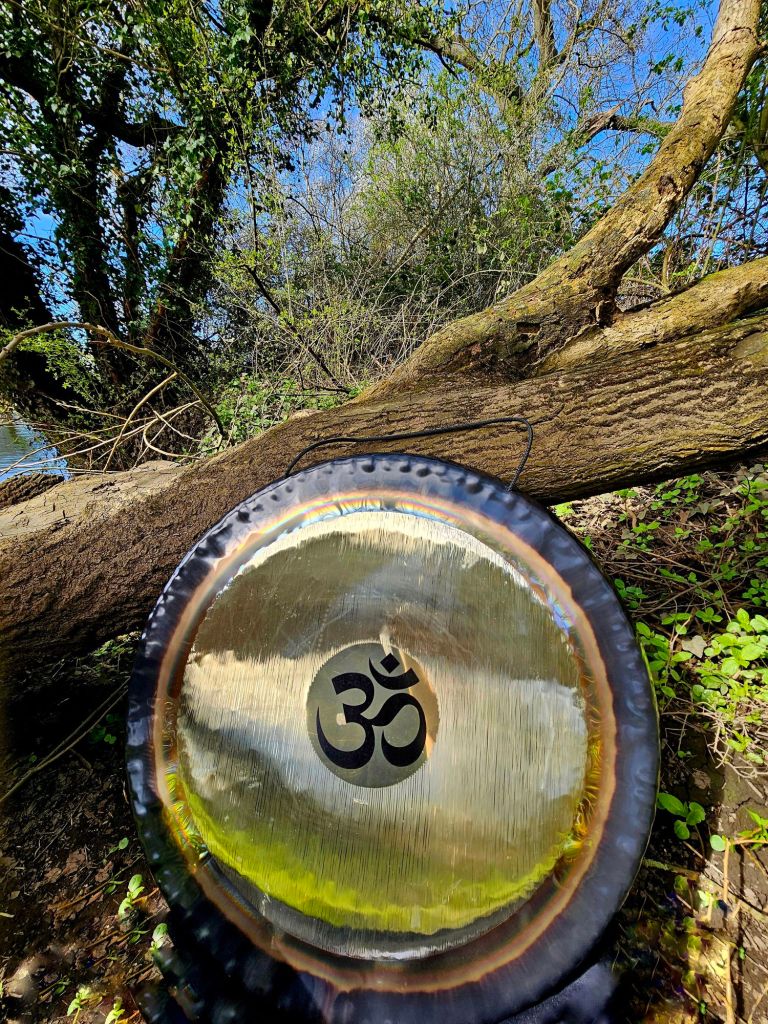
This is where it feels different.
Natural, outdoor water environments can offer:
A stronger connection to nature
A more organic sensory experience
A setting that aligns more closely with holistic practices
This is something I would be open to in the right conditions.
My approach to sound healing
Final thoughts
I offer sessions where you can feel:
Grounded
Supported
Safe in your body
Because in my experience, this is where sound healing can be most deeply received.
There isn’t one “right” way to experience sound therapy.
Different environments will feel different to different people.
This is simply about choosing what feels most supportive—for both myself and the people I work with.
And for me, that begins with something simple:
Being connected to the ground beneath you.
 Kind Compass
Leave a comment