
Highlights:
A month in Madagascar was a collision of wonder and heartbreak. I watched giant baobabs sway at sunset, heard black-and-white lemurs calling in the national parks, and stood on the Tsingy as if on another planet. Accommodations were simple but welcoming, the weather glorious, and the views unforgettable. I felt both the energy and the weight of a land struggling to survive. The landscapes were breathtaking, the wildlife fragile, and the human spirit resilient. I pray this place and its creatures are protected.
Antananarivo: Arrival & First Encounters
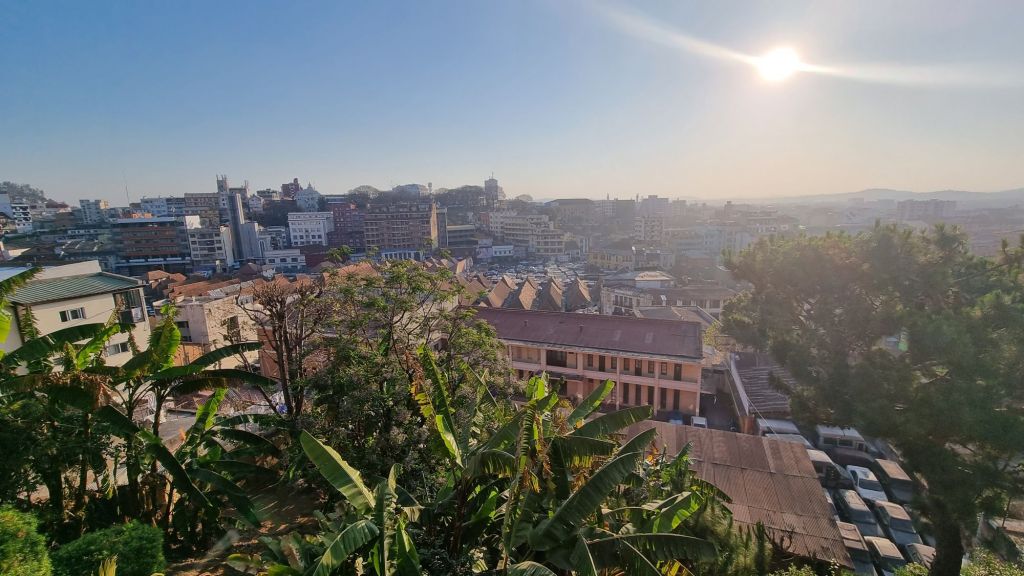
Landing in Tana was a shock. Our taxi — a 50-year-old car that stank of petrol — drove us through narrow, dingy alleyways. The hotel looked run-down, but this is one of the poorest countries in the world. From the rooftop bar in Nosy Managa, the city glowed against the mountains, offering a quiet contrast to the chaos below.
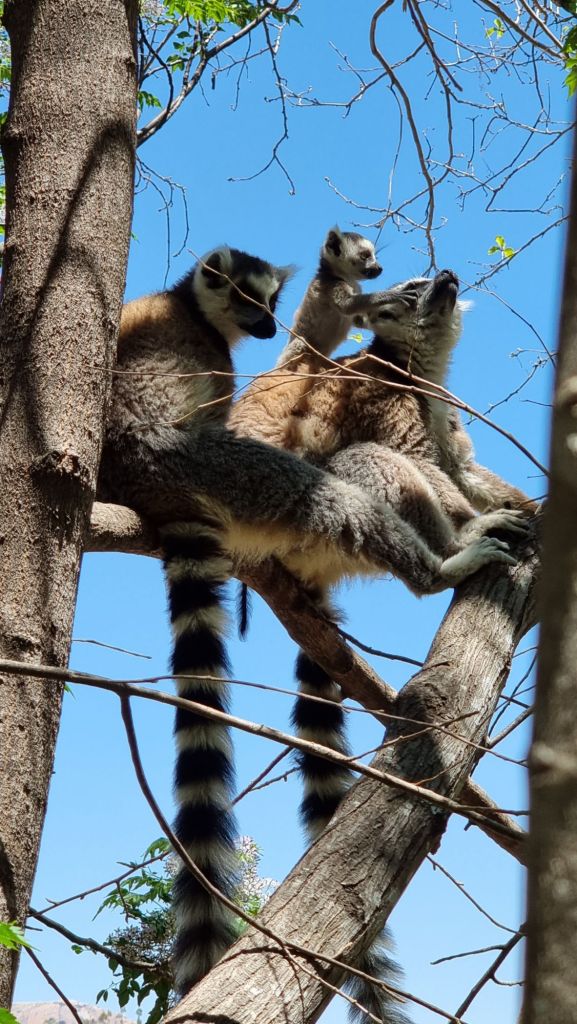
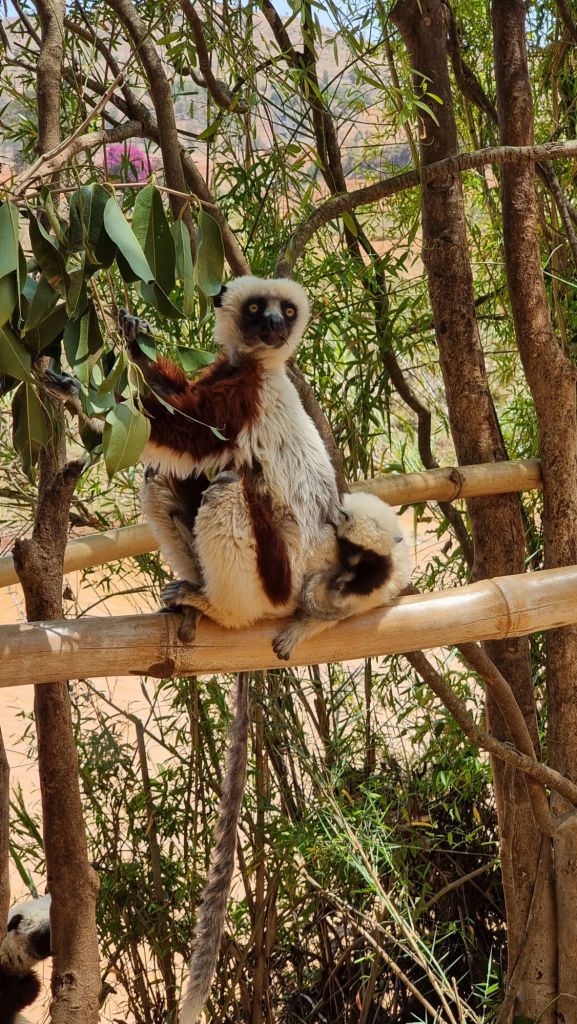
We visited a conservation-focused lemur sanctuary about an hour from Tana. The lemurs were free to roam, and babies clung to their mothers. It was a gentle, hopeful introduction to Madagascar’s wildlife.
Tsiribihina River: Camping & Village Life
River Cruise & Camping
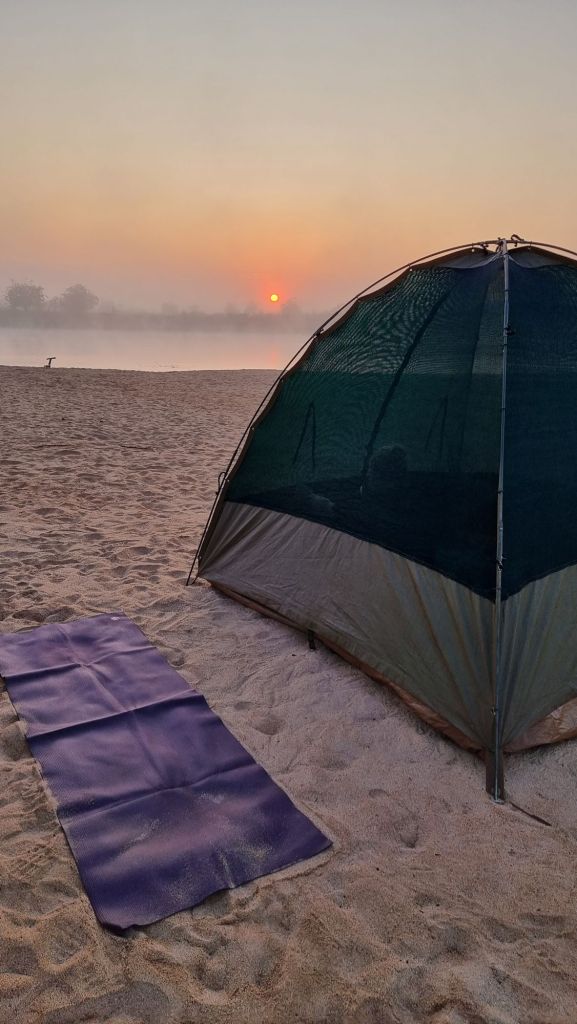
The night before river camping, we stayed in a hotel near the river — basic, but a small comfort before the adventure ahead. The next day, we boarded a wooden boat for a multi-day river cruise. At night, we slept in tents by the river, one person per tent. Bush toilets were the only option, and mosquitoes were relentless in the evenings.
Villages Along the River
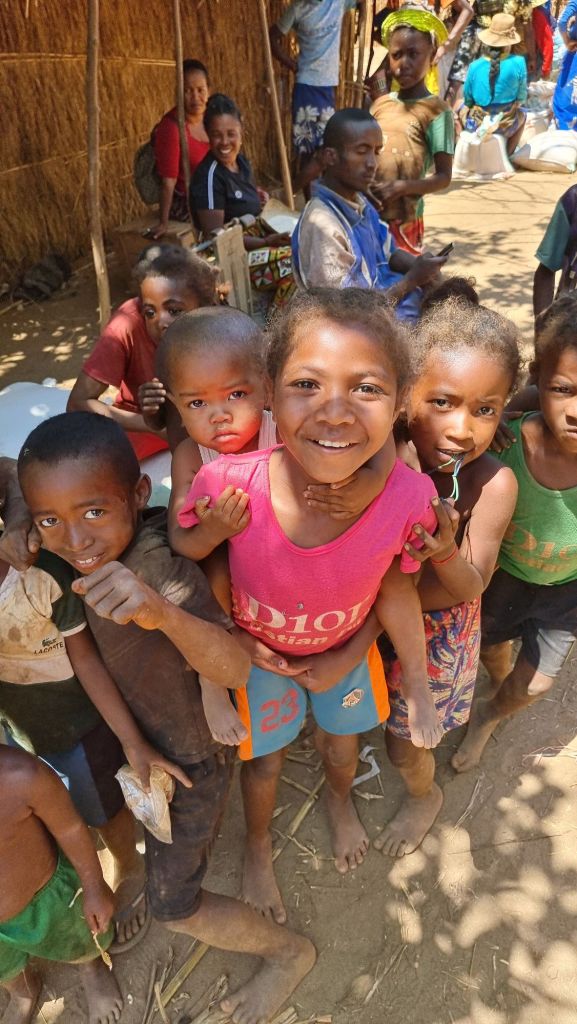
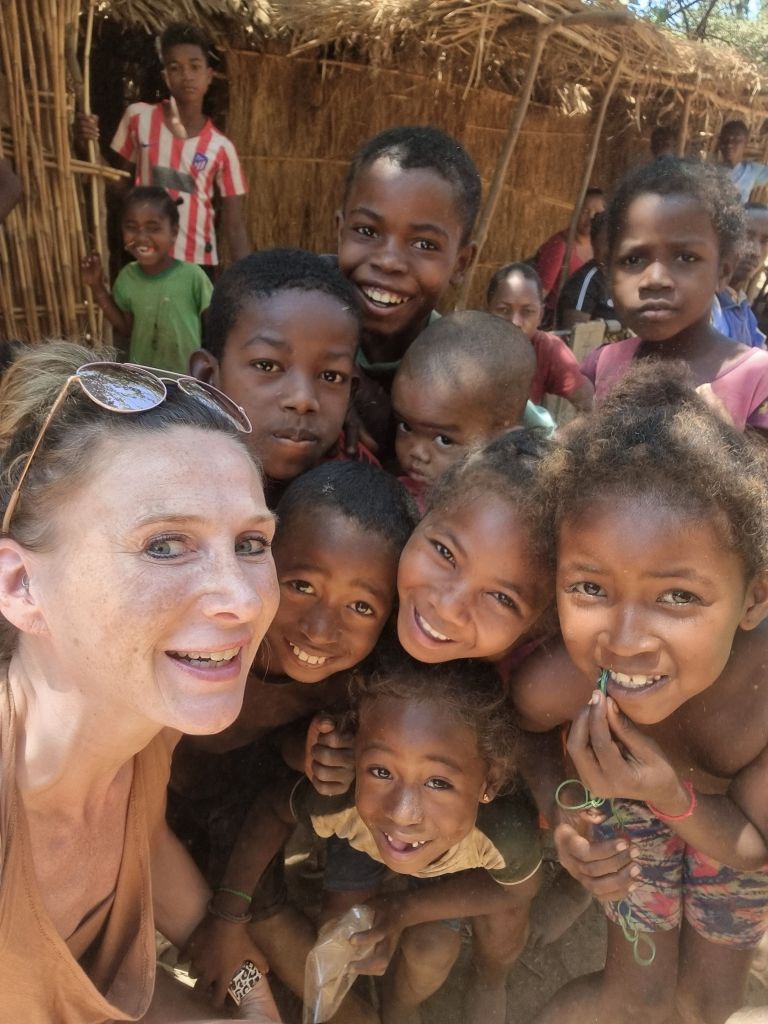
We explored local villages along the river, meeting many people. The girls all wore masonjoany, a traditional facial paste, and were endlessly curious. Wildlife was everywhere — frogs invaded my tent at night, and a Tenrec (hedgehog-like creature) appeared during one rescue adventure.
Caves & Vazimba Cliffs
We visited a cave along the river and climbed cliffs where human skulls and bones are still visible. These are remnants of traditional Vazimba burials, indigenous Malagasy ancestor tombs — a tangible connection to history.


Big Tsingy: Walking Among Giants
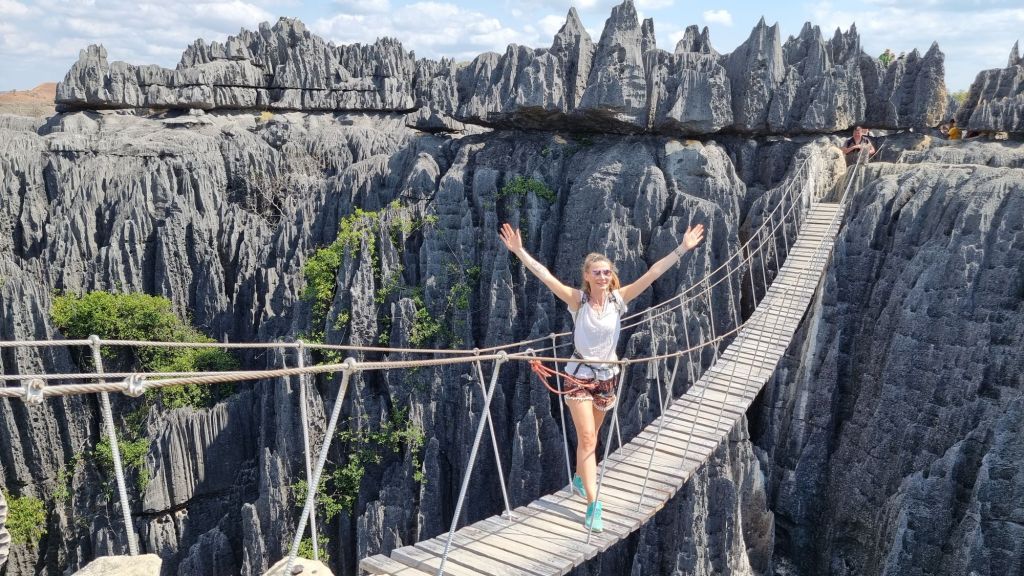
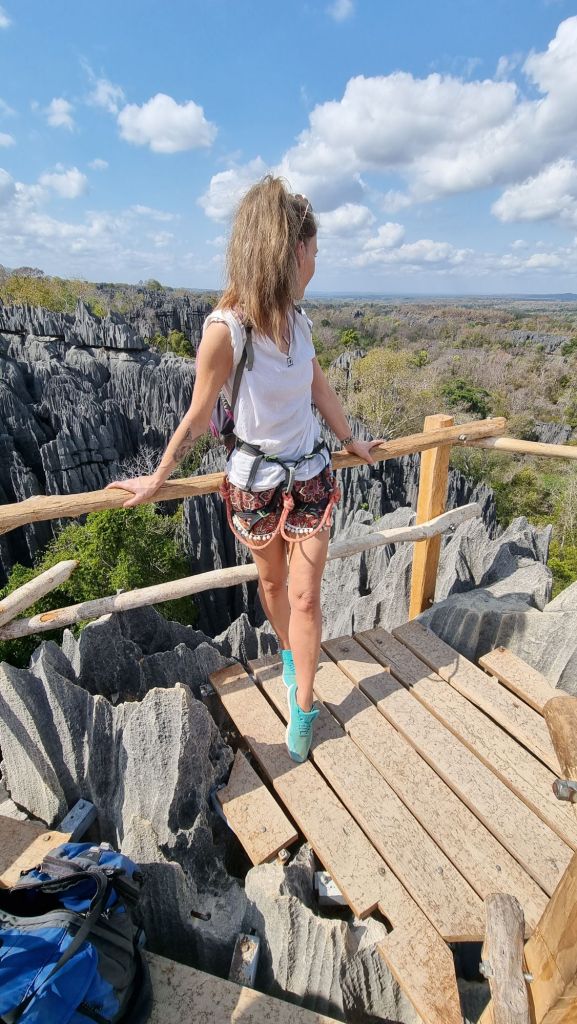
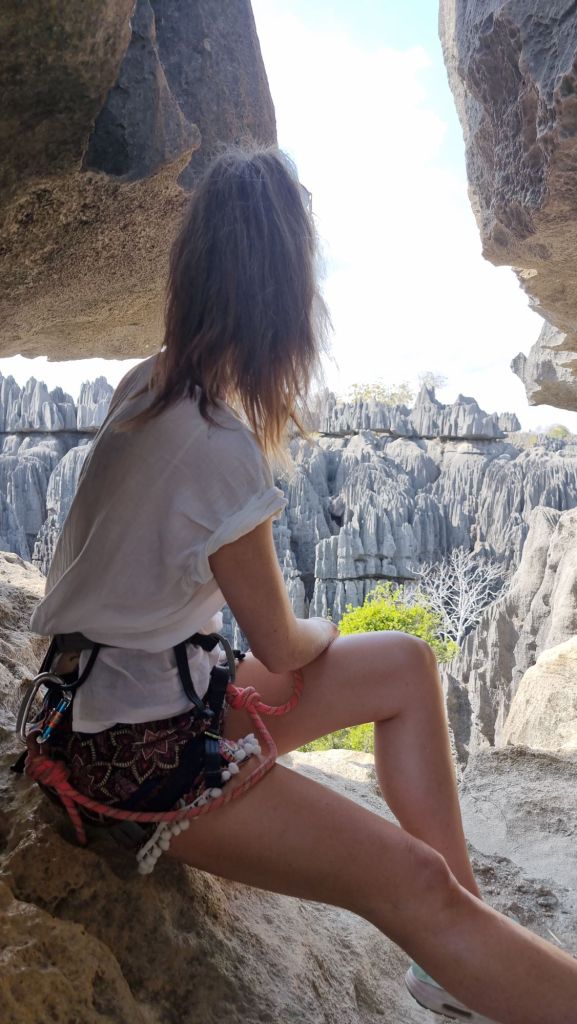
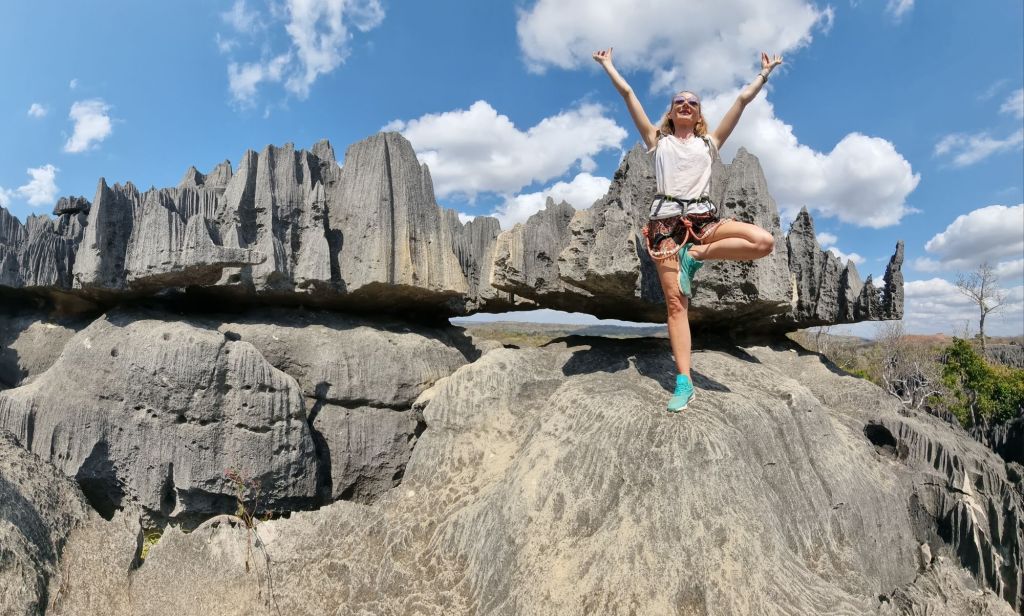
The Big Tsingy was otherworldly. Jagged limestone pinnacles, some over 100 meters high, formed a maze sculpted over millions of years. Deep caves and sharp ridges made the landscape feel like another planet.
I shared my room with frogs, and helped rescue a Tenrec from a tricky spot. The views from the cliffs were staggering, and the land’s history palpable.



Baobabs & Baobab Amoureux
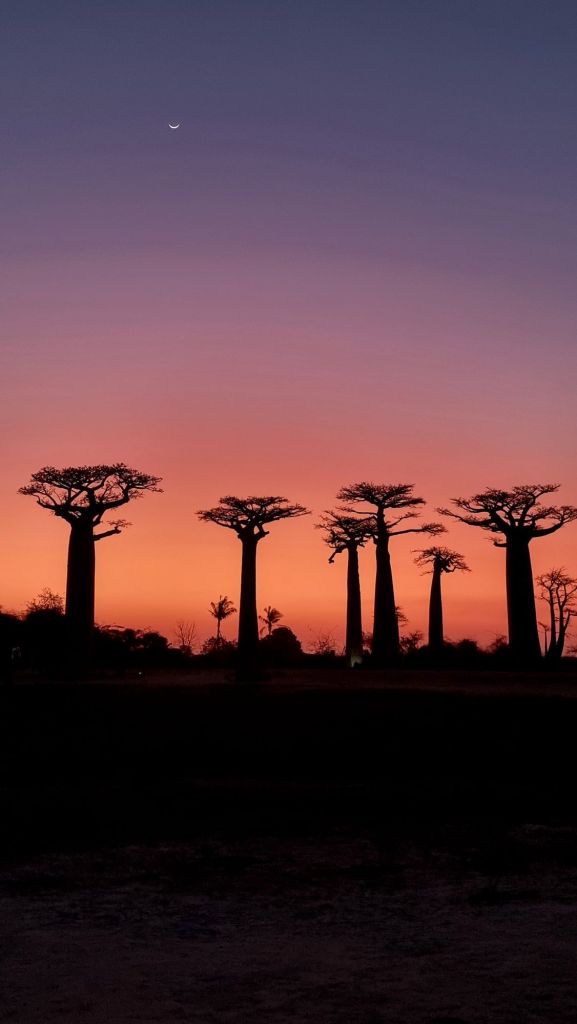
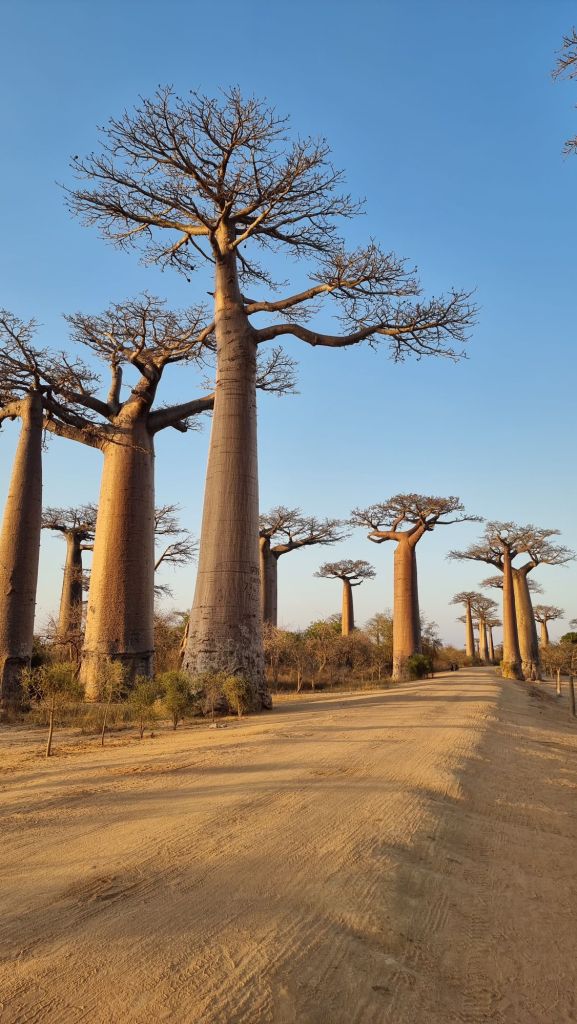
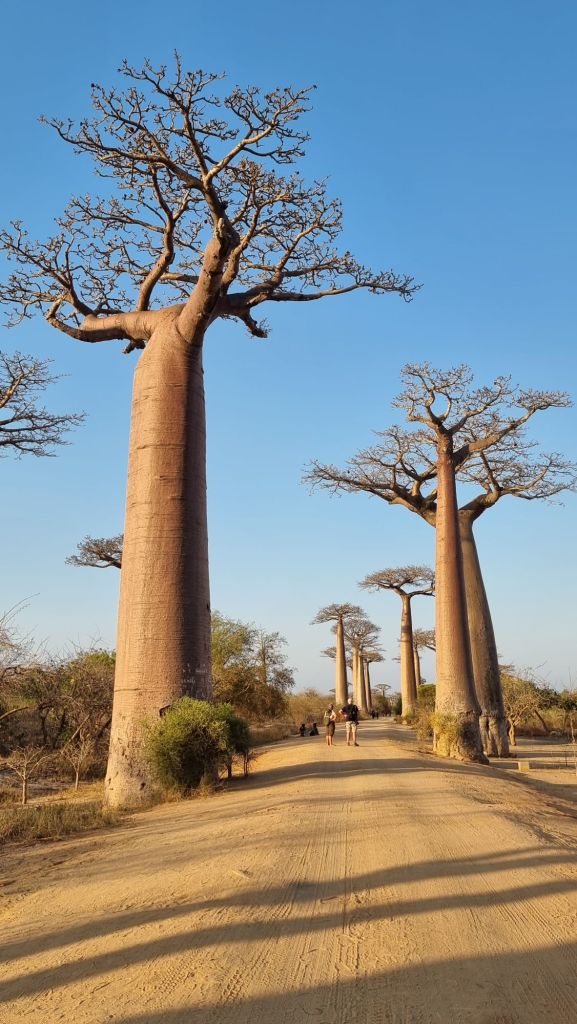
Walking down Baobab Alley at sunset was humbling. These ancient giants, some 800–1,000 years old, are nearly impossible to comprehend. Only a few thousand remain due to deforestation and land conversion.
We also visited the Baobab Amoureux, two entwined trees near Morondava. According to legend, they represent eternal love between a young man and woman forbidden to be together. Seeing them at dusk, glowing in the light, was unforgettable.

National Parks, Lemurs & Wildlife
Madagascar’s wildlife is unique and fragile. We encountered:
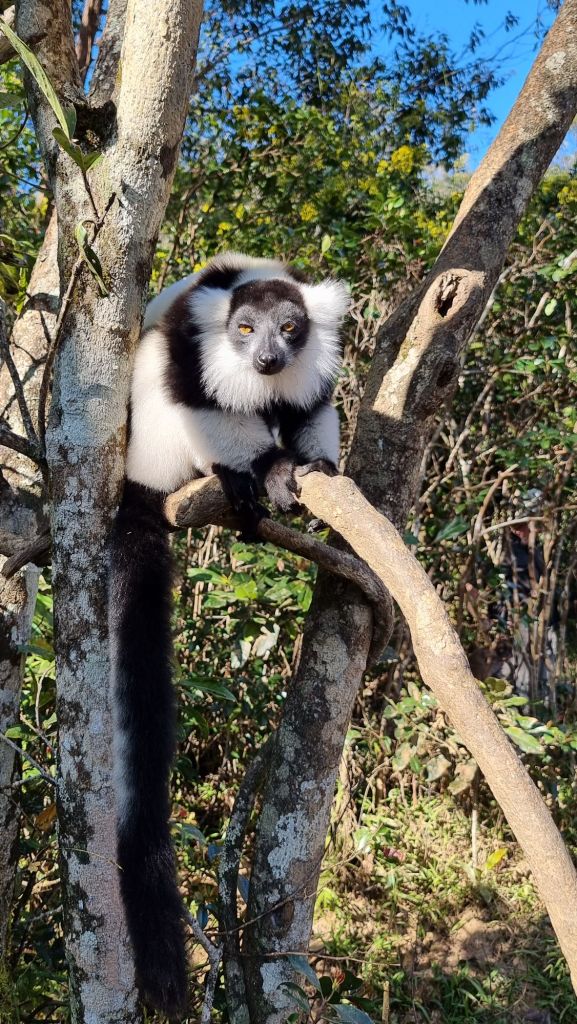
- Black-and-white ruffed lemurs, endangered, calling through the canopy
- Mouse lemurs, the smallest lemur species, spotted on a night walk
- Giraffe-necked weevils, incredible insects found only here
Some experiences were heartbreaking. Lemur Island, where animals used to be forced to sit on tourists for food, made me cry. These Lemurs are trapped on a tiny island surrounded by water (they cant swim). The national parks, listening to lemur calls, I felt hope — but the devastation around them from deforestation and slash-and-burn farming was stark. Locals feed endangered lemurs in attempts to protect them.



Villages, Markets & Hard Realities
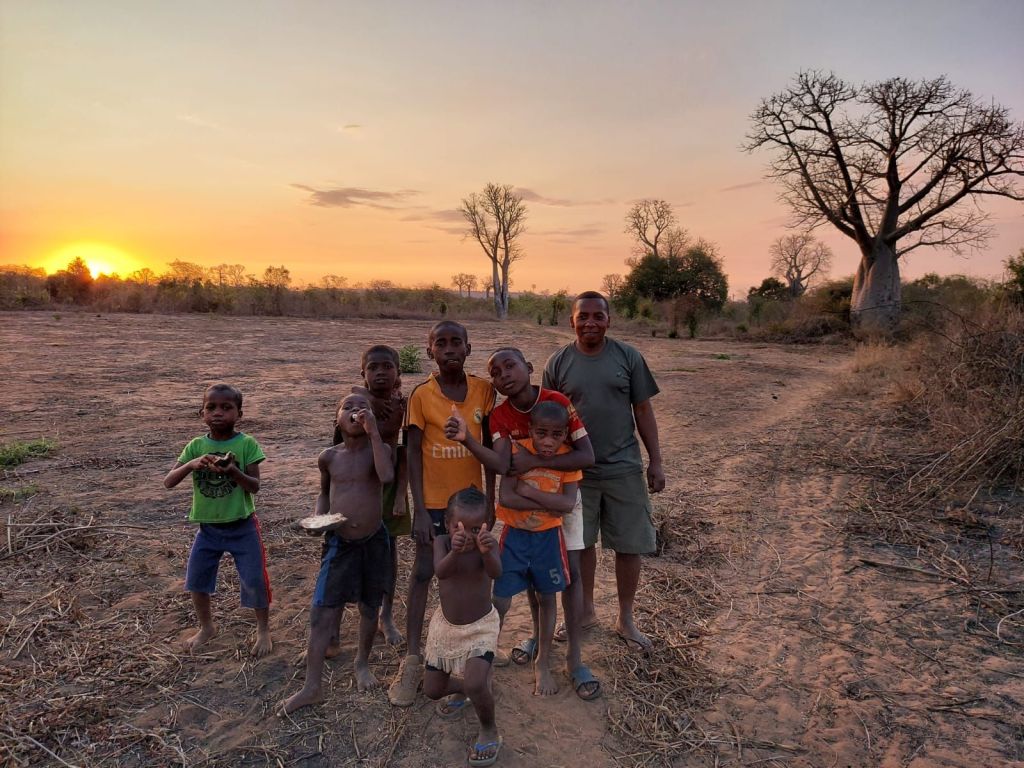
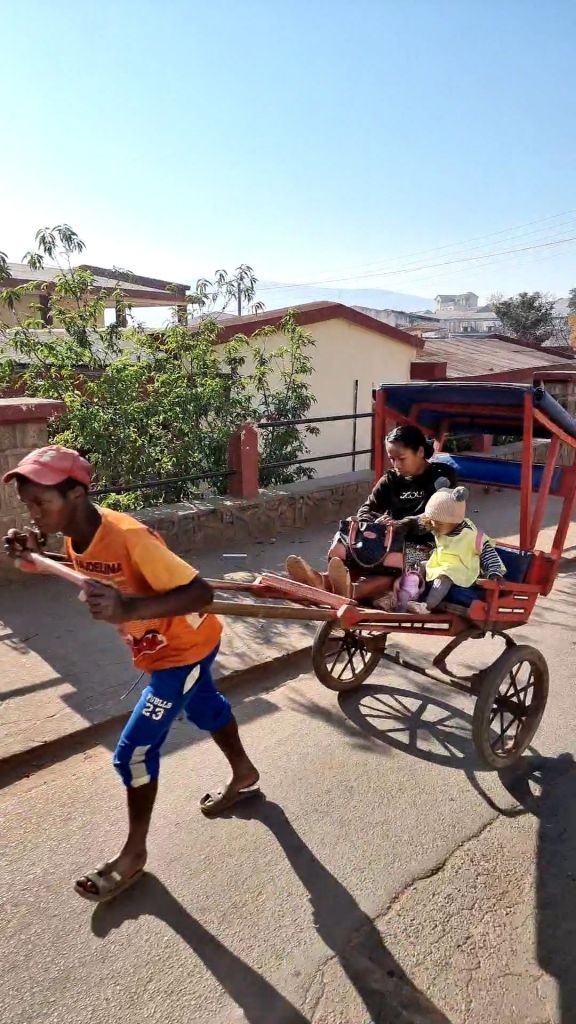
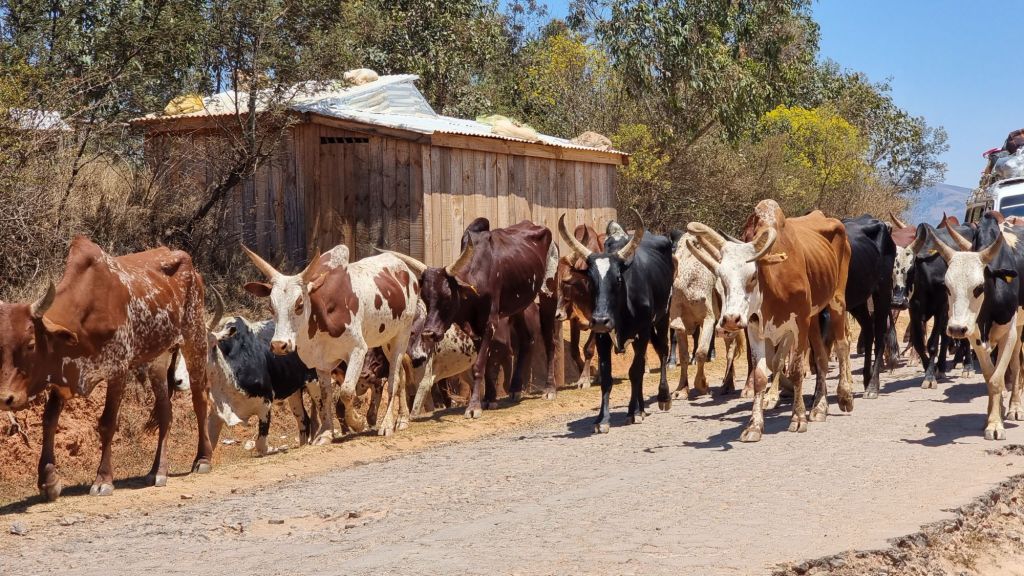
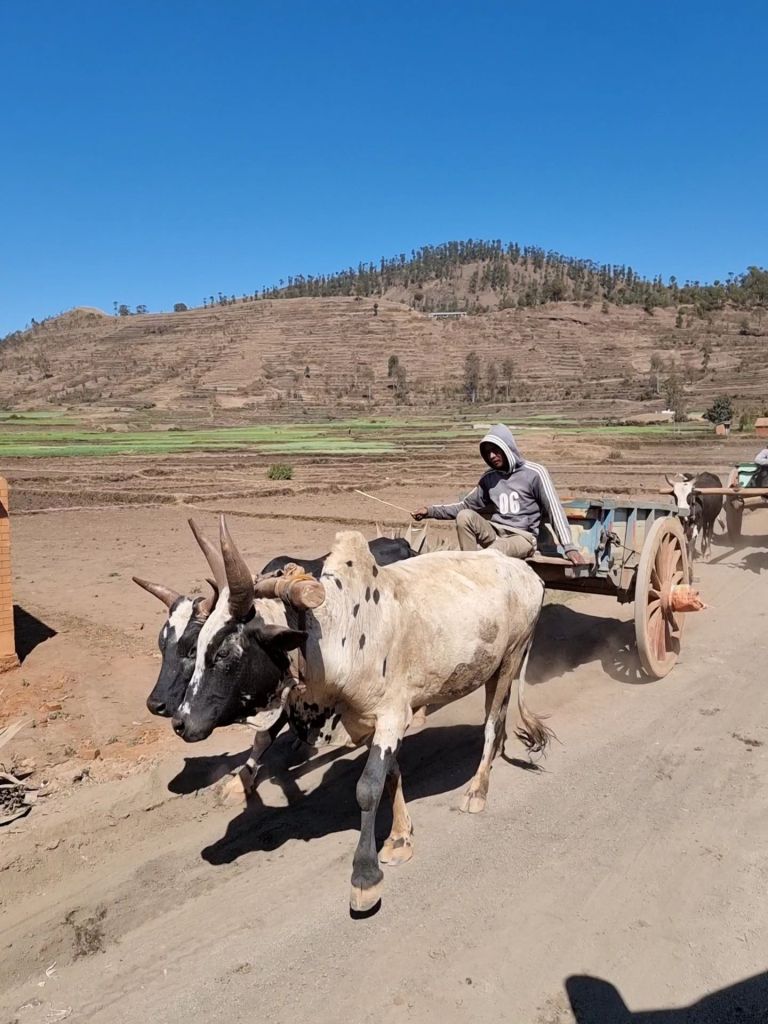
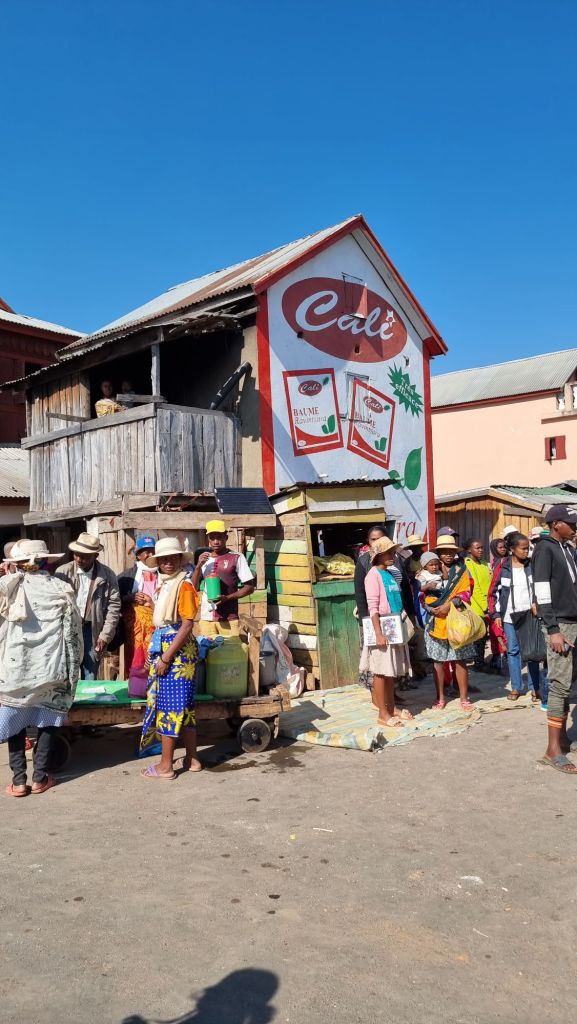
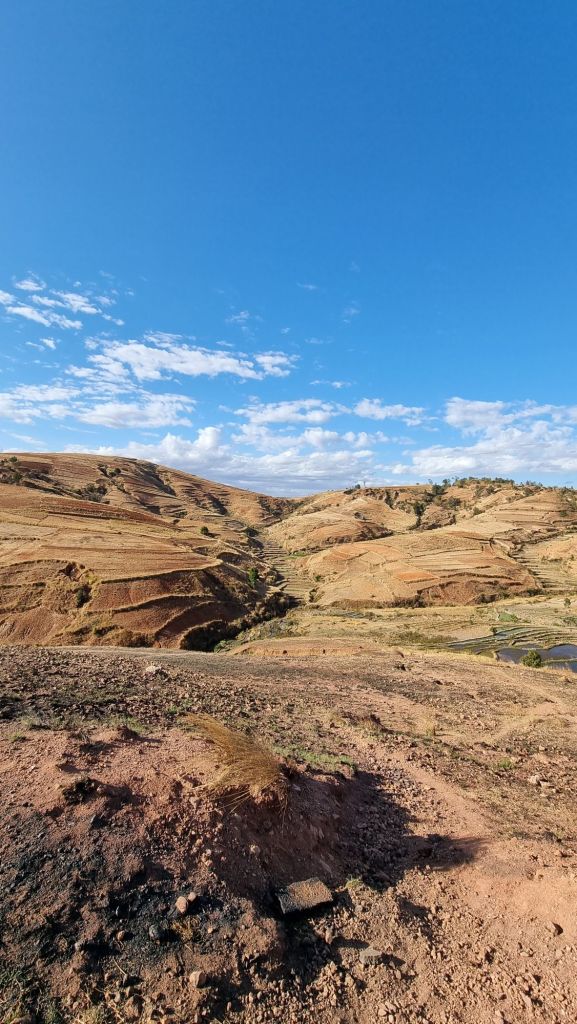
Traveling long hours, we visited local markets and villages. Zebu carts passed us on dusty roads, often with animals in poor condition — skin and bone, spinal bones visible. The locals survive on rice three times a day, needing fuel and income to live. The contrast between the beauty of the land and the hardship of its people was sobering.


Thermal Bath of Ranomafana & Night Safari
One evening, we swam in the Thermal Bath of Ranomafana, followed by a night safari. The forest came alive with nocturnal creatures — and I discovered a scorpion in my clothes back at the room. A thrilling reminder that Madagascar is wild and unpredictable.



Evening Swims & Reflection
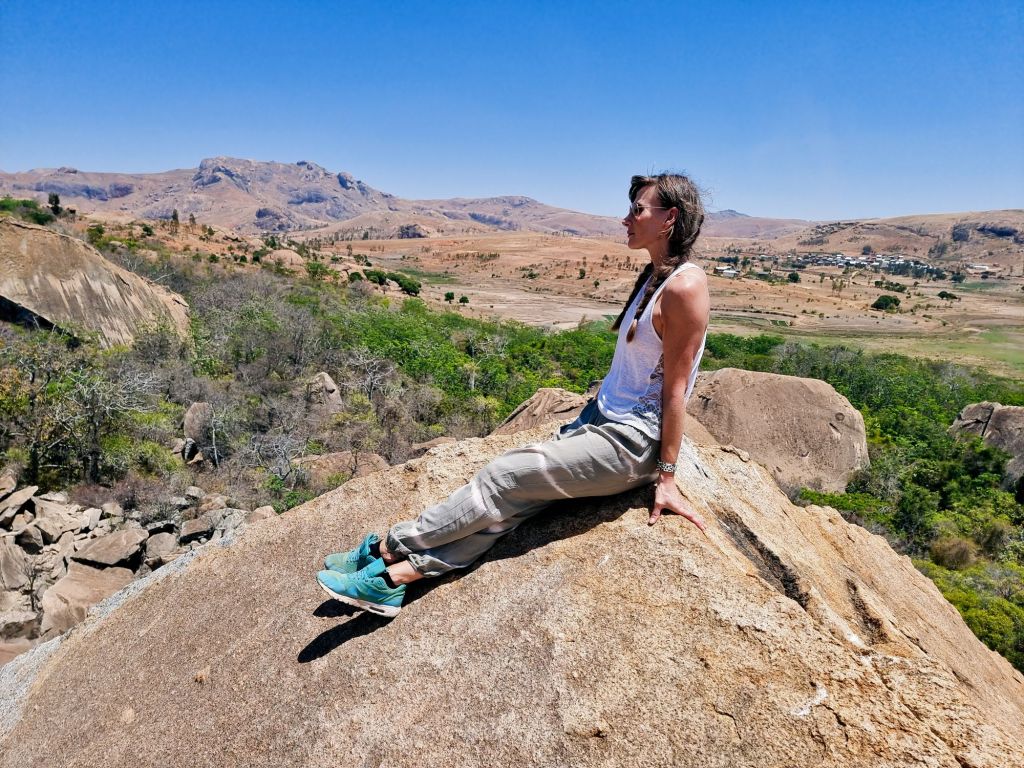
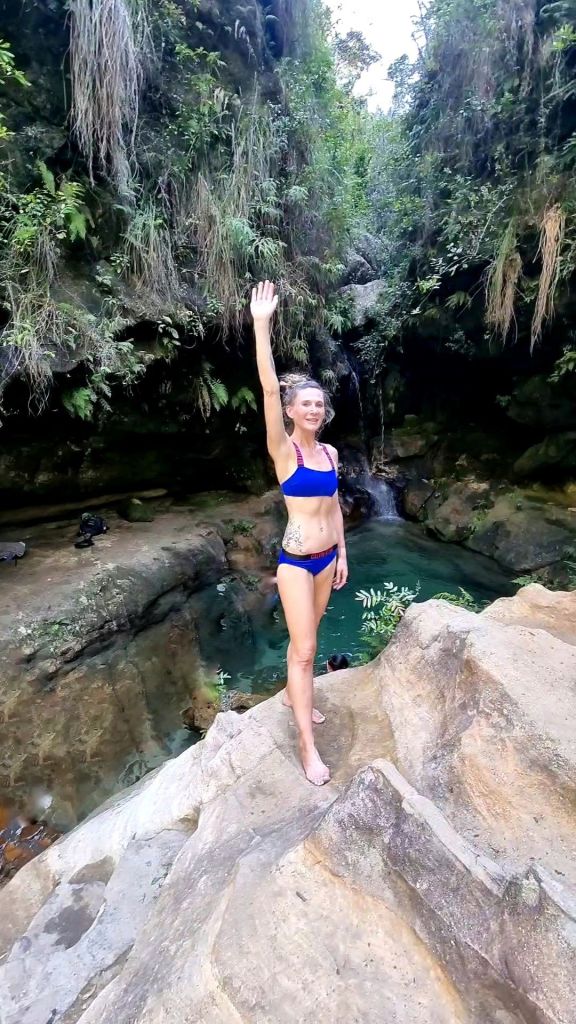
Throughout the trip, we often cooled off with evening swims in rivers or natural pools. Quiet moments like these offered reflection and calm amid the intensity of travel.


Anakao: Paradise & Challenge
Morning Yoga & Beach Life
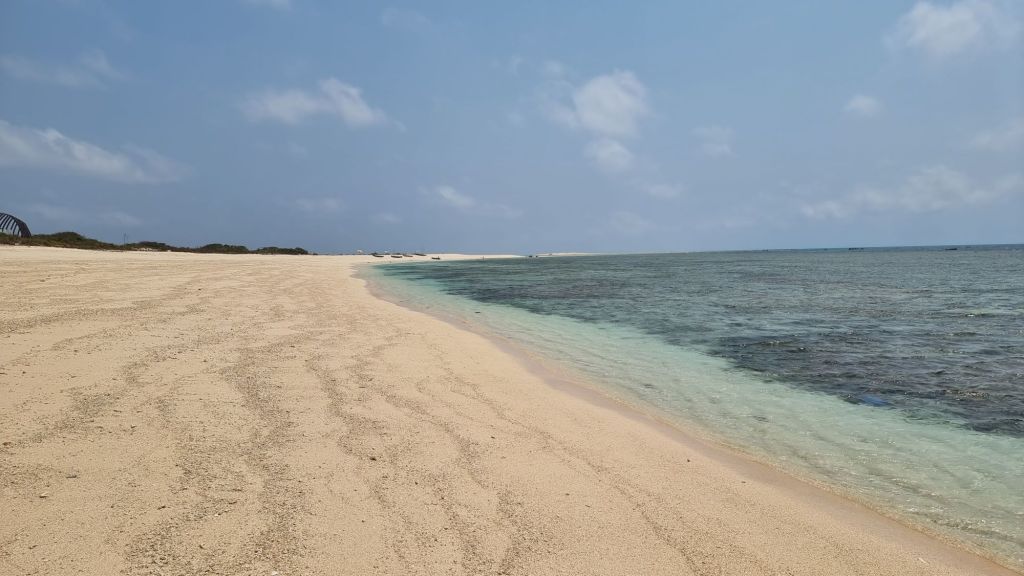
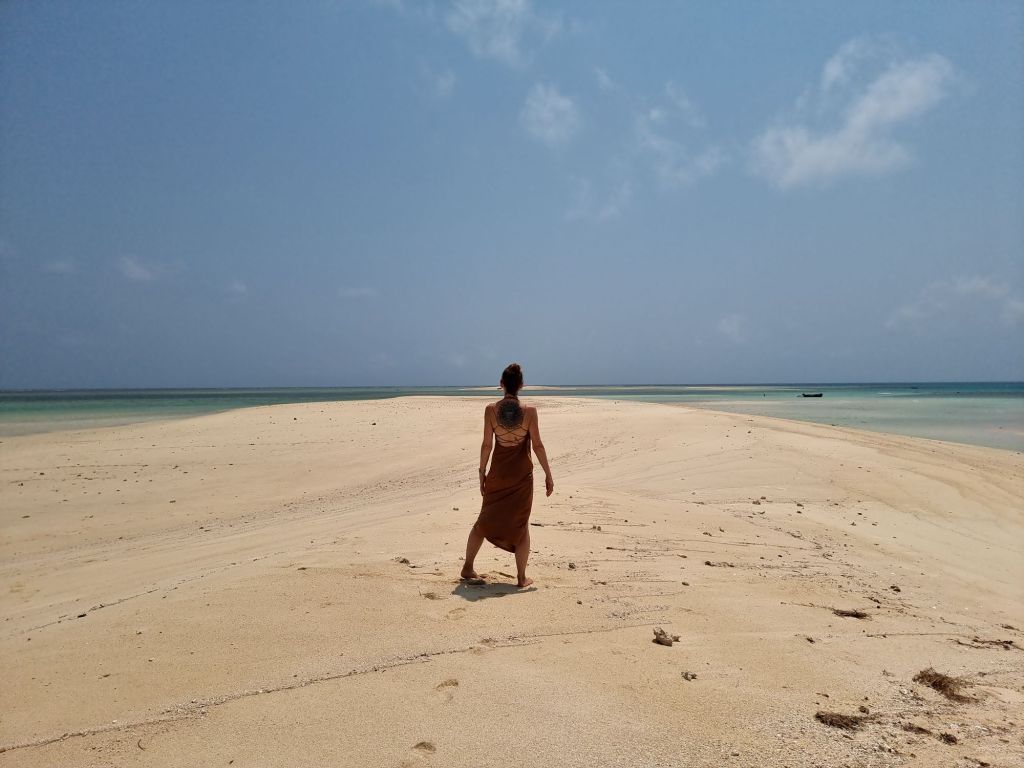
Yoga by the shore at sunrise and lying on the sand, listening to the waves. Long beach walks and exploring the surroundings.
Vegan Cafés & Local Interaction
Visited vegan cafés and interacted with locals. Played with a German shepherd puppy at the hotel, who became a daily companion.
Nosy Ve & Crafts
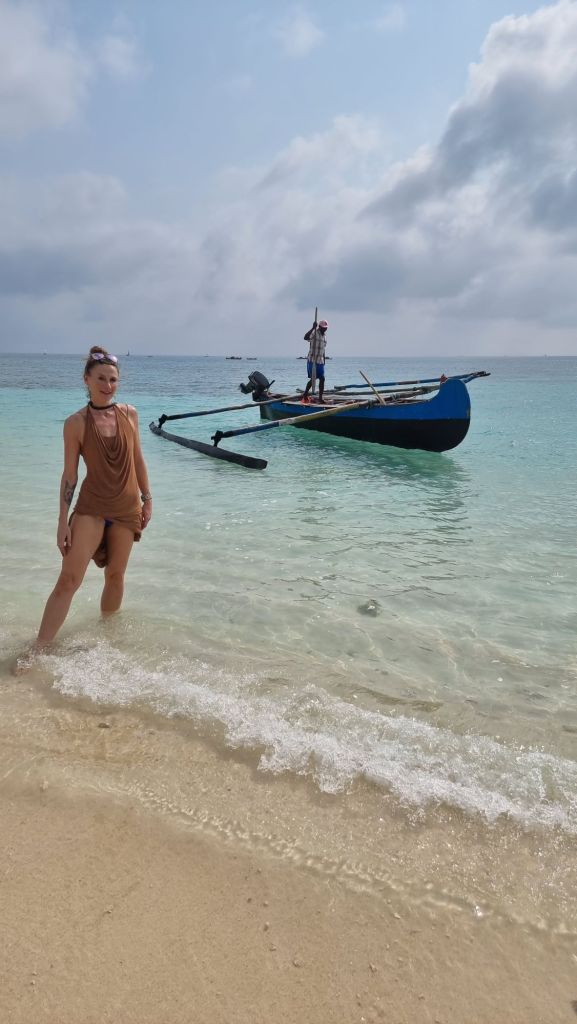
Visited Nosy Ve, stunning wildlife and clear waters despite some dead coral on the beaches. Bought handmade shell jewelry from local women.
Sunsets & Reflection
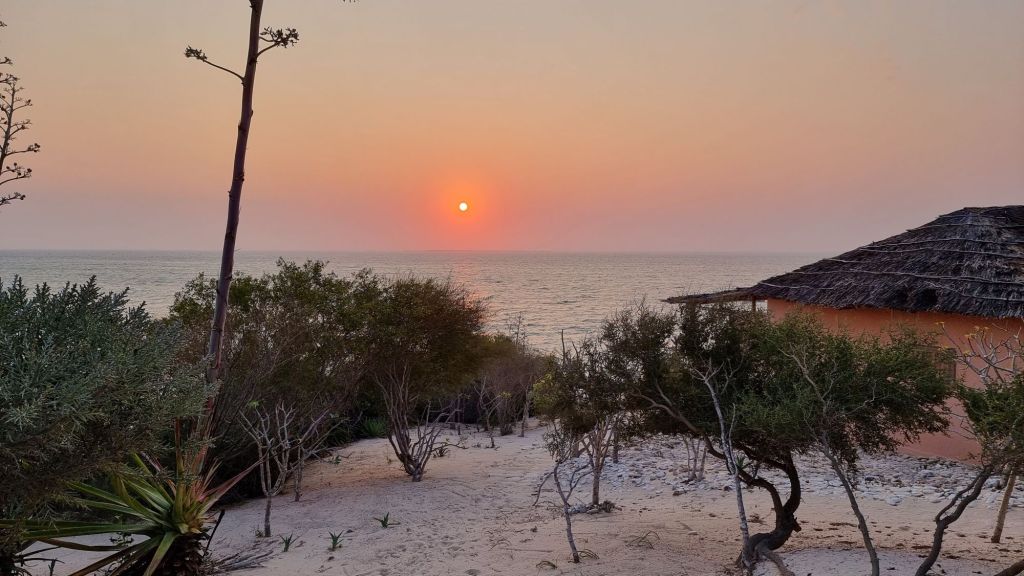
Watched countless sunsets, each one magical.
Scary Incident & Safety Reflection
One night, around 10 pm, a waiter from the hotel came to my room and asked me to go to the village with him. I said no — it was late, dark, and I had no signal or wifi. Then he told me he loved me and tried to get in. It was really frightening.
I stayed alert, avoided the hotel for the next few days, and moved next door. On the last night, someone else was in the restaurant, and I felt safe enough to return — the waiter ignored me.
Even in paradise, travel can be intense and vulnerable. This experience reminded me of the importance of intuition, vigilance, and self-care while exploring remote areas.

Closing Reflection
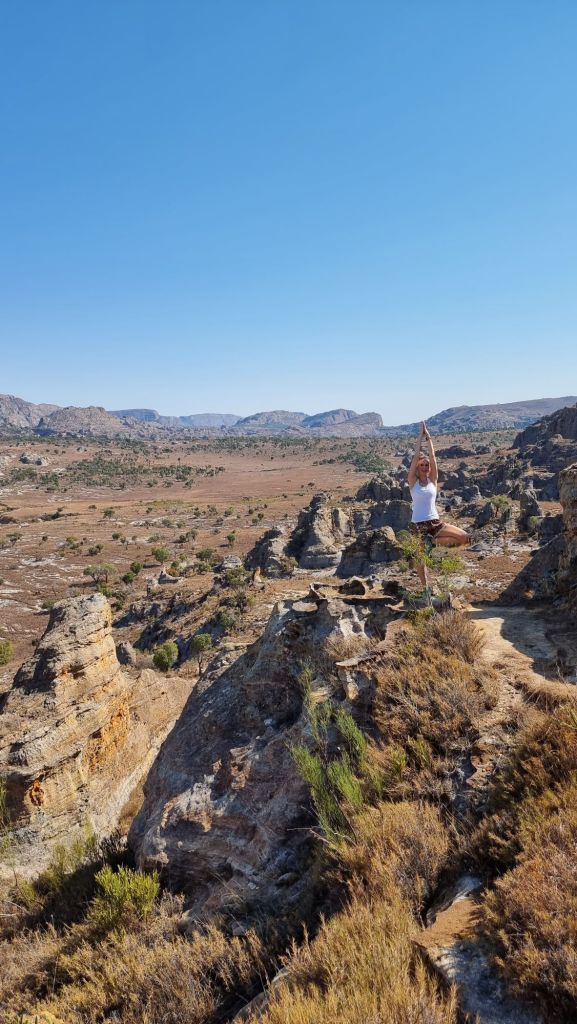
Madagascar is wild, beautiful, heartbreaking, and transformative. I loved it — truly — but it was also hard. The landscape, animals, poverty, and raw energy of the place left an indelible impression. Watching sunsets over baobabs, doing yoga by the river, swimming in natural pools, and praying for the wildlife taught me gratitude, fragility, and compassion.
This is a place that demands presence, awareness, and respect. Madagascar is not just a destination — it’s a mirror.



 Kind Compass
Leave a comment